Product details description
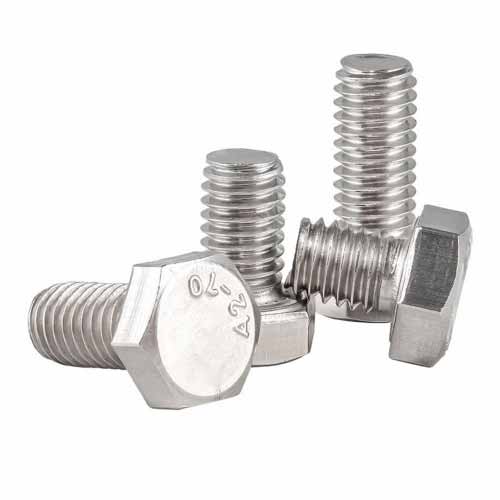
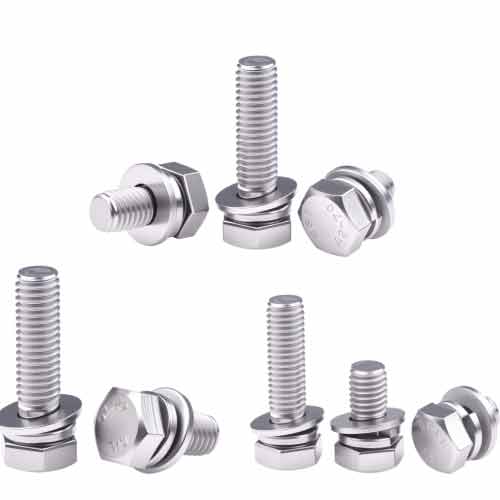
Hex bolts serve as fundamental fastening components in structural
engineering applications, providing the critical connection points that maintain
the integrity of buildings, bridges, and infrastructure projects worldwide. The
six-sided head design of these bolts enables efficient tightening with standard
tools while distributing clamping force evenly across joined surfaces. Unlike
simpler fastener designs, hex bolts can be manufactured to precise
specifications including specific grades of steel, thread configurations, and
coating types that match the performance requirements of structural
applications. Their widespread availability and standardized dimensions ensure
compatibility with construction practices globally, making them indispensable
for engineers who require reliable, predictable connections in load-bearing
applications.
The engineering specifications of hex bolts directly influence their
performance in structural applications, with grade markings indicating material
properties that determine strength and durability. Grade 8.8 and 10.9 bolts,
common in structural steel connections, provide tensile strengths of 800 and 900
megapascals respectively, capable of withstanding substantial loads without
failure. Thread engagement calculations ensure that bolted connections develop
the full capacity of the connected members while preventing premature bolt
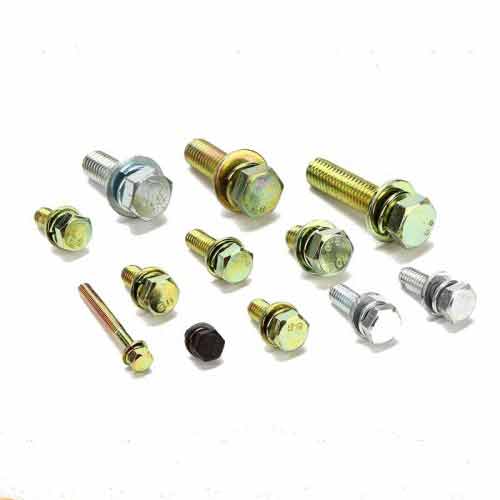
failure through shear or tension. Coating selection—galvanization, zinc plating,
or epoxy—protects against corrosion in aggressive environments, with hot-dip
galvanization providing the most robust protection for outdoor and coastal
applications. Engineers specify hex bolt sizes, grades, and coatings based on
load calculations, environmental conditions, and applicable building codes that
govern structural connections.
The applications of hex bolts in structural engineering span virtually
every type of construction project, from high-rise buildings to industrial
facilities and infrastructure installations. Moment connections between steel
beams and columns rely on high-strength hex bolts to transfer both gravity loads
and lateral forces generated by wind or seismic activity. Bracing systems in
steel frameworks use bolted connections that can be inspected during
construction and verified for proper tensioning throughout the structure's
service life. Bridge construction employs hex bolts in expansion joints, bearing
assemblies, and deck-to-girder connections where their reliability under cyclic
loading proves essential. The predictability and inspectability of bolted
connections make them preferred over welded alternatives in many applications
where field verification of connection quality is required, providing engineers
and owners with confidence in structural performance.
Previous article:
Step-by-Step Guide to Installing a Hex Bolt
Next article:
Hex Bolt Head Styles: Standard, Heavy Hex, and Jam Nut Configurations