Product details description
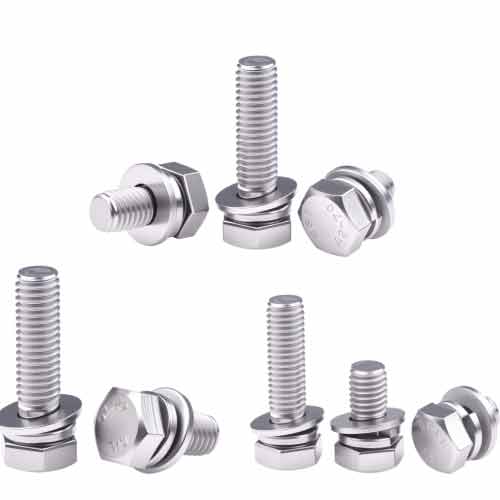
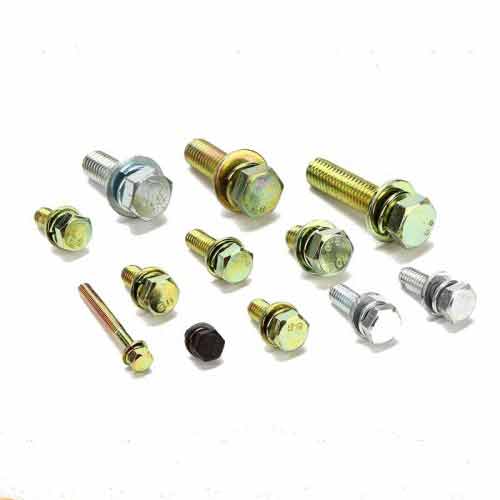
Hex bolts are fundamental fasteners used across industrial, construction,
and automotive sectors, and their reliable performance hinges on precise torque
application. Torque specifications are not arbitrary; they are engineered to
ensure the bolt clamps components together with sufficient force to resist
vibration, load, and fatigue without damaging the bolt or the workpiece. Factors
such as bolt material (e.g., carbon steel, stainless steel, alloy steel), thread
size, and the type of mating surface (e.g., lubricated, dry, painted) all
influence the required torque value. Manufacturers typically provide torque
charts that outline these values, and deviating from these specifications can
lead to either under-tightening—resulting in loose connections and potential
component failure—or over-tightening, which may cause thread stripping, bolt
stretching, or even fracture.
Proper installation of hex bolts begins with thorough preparation of the
mating surfaces. All debris, rust, oil, or paint must be removed to ensure
uniform clamping force distribution. For applications requiring a secure seal or
corrosion resistance, applying the appropriate lubricant or anti-seize compound
is critical, though it is important to note that lubrication reduces friction,
which in turn lowers the required torque compared to dry installations. Next,
the bolt should be inserted straight into the tapped hole or through the
clearance hole, ensuring that the threads engage smoothly without
cross-threading. Cross-threading, which occurs when the bolt is misaligned
during insertion, can damage the threads and compromise the integrity of the
connection, making even correct torque application ineffective.
Selecting the right tool for torque application is another key aspect of
proper installation. Manual torque wrenches, either beam-type or click-type, are
suitable for low to medium torque requirements, while pneumatic or electric
torque wrenches are preferred for high-volume or high-torque applications. It is
essential to calibrate torque tools regularly to maintain accuracy, as
uncalibrated tools can deliver inconsistent torque values. When applying torque,
the force should be applied steadily and evenly, avoiding sudden or jerky
movements that can cause torque spikes. For bolts that require a final torque
check, a torque angle gauge may be used in conjunction with a torque wrench to
ensure that the bolt is tightened to the exact specification, especially in
critical applications like engine assemblies or structural connections.
Safety protocols during hex bolt installation are paramount to protect both
workers and equipment. Personal protective equipment (PPE) such as safety
glasses, gloves, and steel-toed boots should be worn at all times to guard
against flying debris, bolt fragments, or slips. Before starting work, it is
important to inspect the bolt, nut, and mating surfaces for any defects such as
cracks, bent threads, or deformation, as damaged components can fail
unexpectedly during installation or use. Additionally, workers should ensure
that the work area is stable and free of hazards, and that they have a clear
understanding of the torque requirements and installation sequence for the
specific application. In high-torque applications, using a torque wrench with a
reaction arm can help prevent injury from tool recoil.
Post-installation verification is a crucial step to confirm the integrity
of the hex bolt connection. This may involve rechecking the torque after a short
period, as some materials can relax or settle after initial tightening. In
critical applications, non-destructive testing methods such as ultrasonic
testing or strain gauging may be used to measure the actual clamping force.
Regular maintenance and inspection of bolted connections are also important to
identify any signs of loosening, corrosion, or fatigue over time. By adhering to
proper torque specifications, installation techniques, and safety protocols, the
reliability and longevity of hex bolt connections can be maximized, reducing the
risk of costly downtime, equipment damage, and workplace accidents.
Previous article:
Thread Pitch and Length: Standard Measurements for Hex Bolt Selection
Next article:no more