Product details description
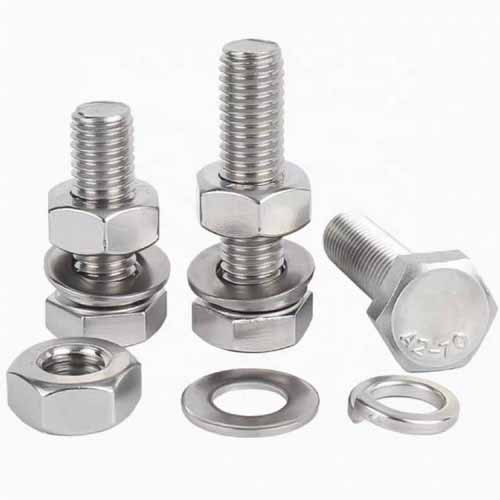
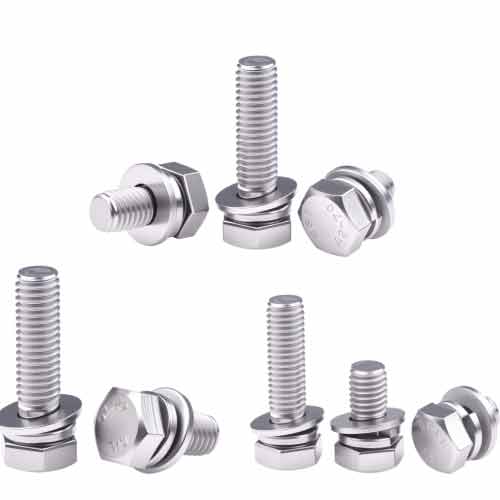
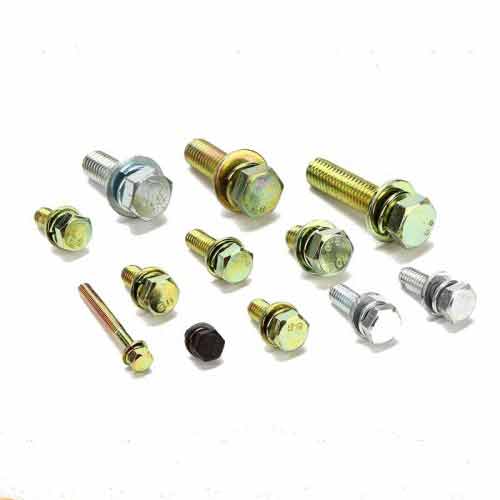
Hot-dip galvanized hex bolts represent critical fastening solutions for
outdoor, marine, and harsh environment applications where corrosion resistance
is essential for long-term structural integrity. The hot-dip galvanization
process creates a thick, metallurgically-bonded zinc coating that provides
sacrificial protection to the underlying steel, with the coating sacrificing
itself to protect the base metal when corrosion attack occurs. Understanding the
performance characteristics of hot-dip galvanized bolts in various environmental
conditions enables engineers, contractors, and maintenance professionals to
select appropriate fasteners for demanding applications while avoiding the
premature failures that inadequate corrosion protection can cause. The
widespread adoption of hot-dip galvanized fasteners across construction, marine,
and industrial applications reflects their proven performance in protecting
structural connections from corrosion degradation.
The galvanization process for hex bolts involves immersing cleaned steel
fasteners in molten zinc at temperatures around 840°F (450°C), creating a
coating that typically ranges from 2.0 to 4.0 mils (50 to 100 microns) thickness
for standard commercial products. The resulting coating structure includes
multiple metallurgical layers, with an outer layer of pure zinc, intermediate
zinc-iron alloy layers, and a diffusion zone at the steel interface that
provides excellent adhesion. This multi-layer coating structure provides
superior protection compared to electro-galvanized alternatives, which produce
thinner, less adherent zinc coatings that offer significantly less corrosion
resistance in demanding environments. Coating weight specifications for hot-dip
galvanized fasteners typically range from 1.75 to 3.50 ounces per square foot
(530 to 1070 grams per square meter), with heavier coatings providing extended
service life in severe service conditions.
Weather resistance performance of hot-dip galvanized hex bolts depends on
environmental exposure conditions, with service life varying significantly based
on atmospheric corrosivity, coating thickness, and design factors that affect
coating durability. In rural environments with low pollution and minimal salt
exposure, hot-dip galvanized fasteners can provide 50 to 75 years of service
life before significant coating degradation occurs. Industrial and urban
environments with higher pollution levels typically reduce expected service life
to 20 to 40 years, while coastal and marine environments present the most
challenging conditions where salt spray accelerates coating degradation. In
severe marine splash zones, protective service life may be limited to 10 to 20
years, with maintenance painting or coating systems often required for extended
service in the most aggressive environments.
Marine environment performance of hot-dip galvanized hex bolts requires
particular attention to coating thickness, fastener quality, and installation
practices that affect long-term corrosion resistance. The sodium chloride
exposure characteristic of marine environments creates highly corrosive
conditions that attack zinc coatings more aggressively than most other
atmospheric exposures, requiring heavier galvanized coatings for equivalent
service life expectations. Stainless steel washers and spacers between
dissimilar metals prevent galvanic corrosion that can accelerate fastener
degradation when hot-dip galvanized bolts contact more noble metals. Proper
torque application during installation ensures adequate clamping force without
exceeding the tensile capacity of fasteners, while proper washer selection and
installation prevent point-loading that could damage protective coatings at
critical stress concentrations.
Previous article:
How to Measure Hex Bolt Dimensions Accurately
Next article:
Stainless Steel Hex Bolts - Rust-Proof for Outdoor & Marine Use