The Unsung Hero of Construction: The Bolt Screw
Release time:2026-01-20 Click:20
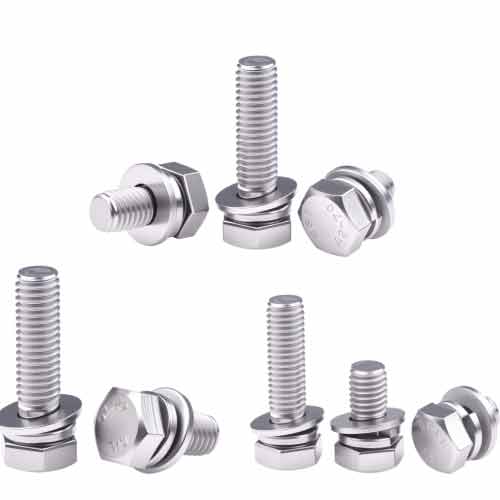
The bolt screw is arguably the most fundamental yet critical component in the world of construction and mechanical engineering, serving as the primary method for fastening and joining materials. While often grouped together in casual conversation, bolts and screws have distinct differences: bolts typically require a nut to secure two unthreaded holes, while screws are designed to cut their own thread into a material. This versatility allows them to be used in everything from the massive structural connections of skyscrapers to the delicate assembly of consumer electronics. The choice between a hex head, socket cap, or carriage bolt depends entirely on the application, torque requirements, and the need for a flush or protruding finish.
Material selection for a bolt screw is paramount to ensuring longevity and structural integrity. In outdoor or marine environments, stainless steel or hot-dip galvanized steel is essential to prevent rust and corrosion, which can seize the threads and compromise the connection. For high-stress industrial applications, alloy steels with high tensile strength are used to withstand extreme loads and vibration. The thread pitch also plays a crucial role; coarse threads are better for soft materials like wood, providing a strong hold, while fine threads are preferred for hard metals, allowing for precise adjustment and higher tensile strength in thin-walled applications.
Installation techniques significantly impact the performance of a bolt screw. Over-tightening can strip the threads or shear the fastener, while under-tightening can lead to joint failure under load. The use of torque wrenches and proper lubrication is standard practice in critical engineering to achieve the exact clamping force required. In structural steelwork, twist-off tension control bolts are used to ensure that the bolt is tightened to its yield point, providing a reliable and verifiable connection. Additionally, the use of washers and lock nuts or thread-locking compounds helps prevent loosening due to vibration or thermal expansion and contraction.
Beyond pure mechanics, the bolt screw has become a symbol of precision and reliability in manufacturing. The development of proprietary drive systems, such as Torx or Robertson, was driven by the need to apply higher torque without camming out. In the automotive and aerospace industries, specialized fasteners are designed to be lightweight yet incredibly strong, contributing to fuel efficiency and safety. Even in furniture making, the evolution of the screw—from simple wood screws to complex cam locks and dowels—has revolutionized flat-pack assembly. Ultimately, the humble bolt screw is the invisible glue holding our physical world together, proving that even the smallest components can have the greatest impact.
Previous article:Stainless Steel Infrastructure Projects Hex Bolt for Marine Use
Next article:Galvanized Heavy Hex Bolt
Hot products
Mobile: +86 15369229308
Email:metalproducts2025@163.com
Email:565169797@qq.com